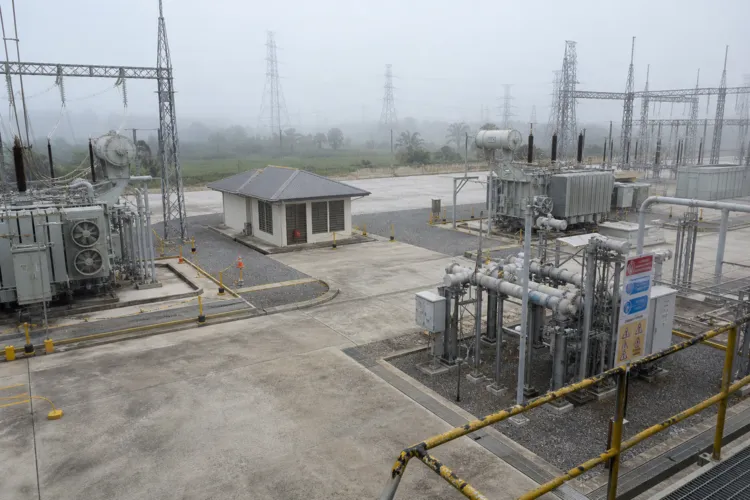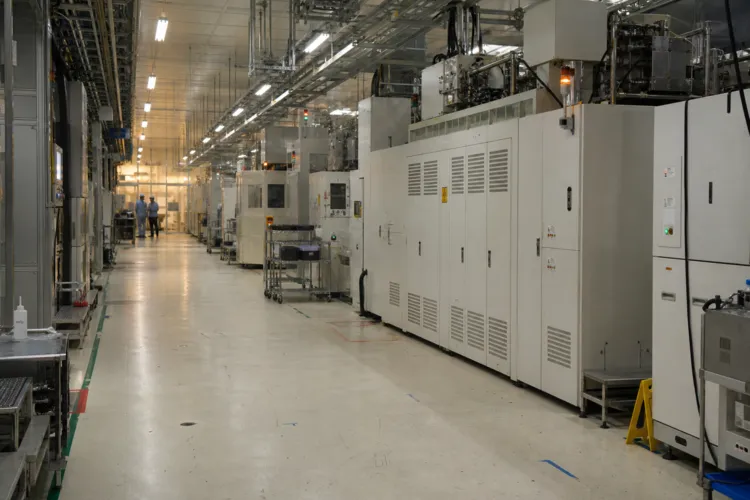
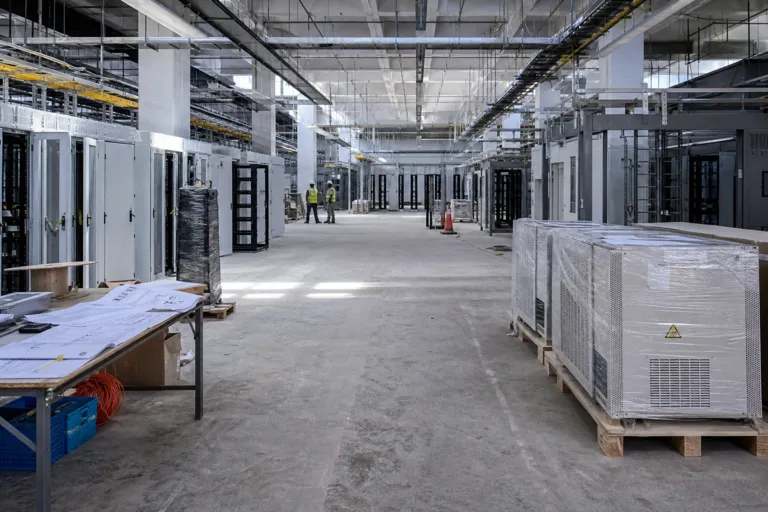
ASEAN’s AI data centre buildout is no longer a single-country story. Southeast Asia now hosts more than 2,000 data centres across Indonesia, Malaysia, Singapore, Thailand, Vietnam, and the Philippines, with hundreds more under construction and over a thousand in planning. Demand is expected to grow at 20% annually through 2028, according to the U.S.-ASEAN Business Council. For B2B leaders, this means architecture decisions increasingly depend on where AI-grade capacity is landing, not just where cloud regions already exist. This article functions as a Southeast Asia AI data center investment map for 2026, focusing on the operators, hyperscalers, and policy moves that shape procurement and risk.
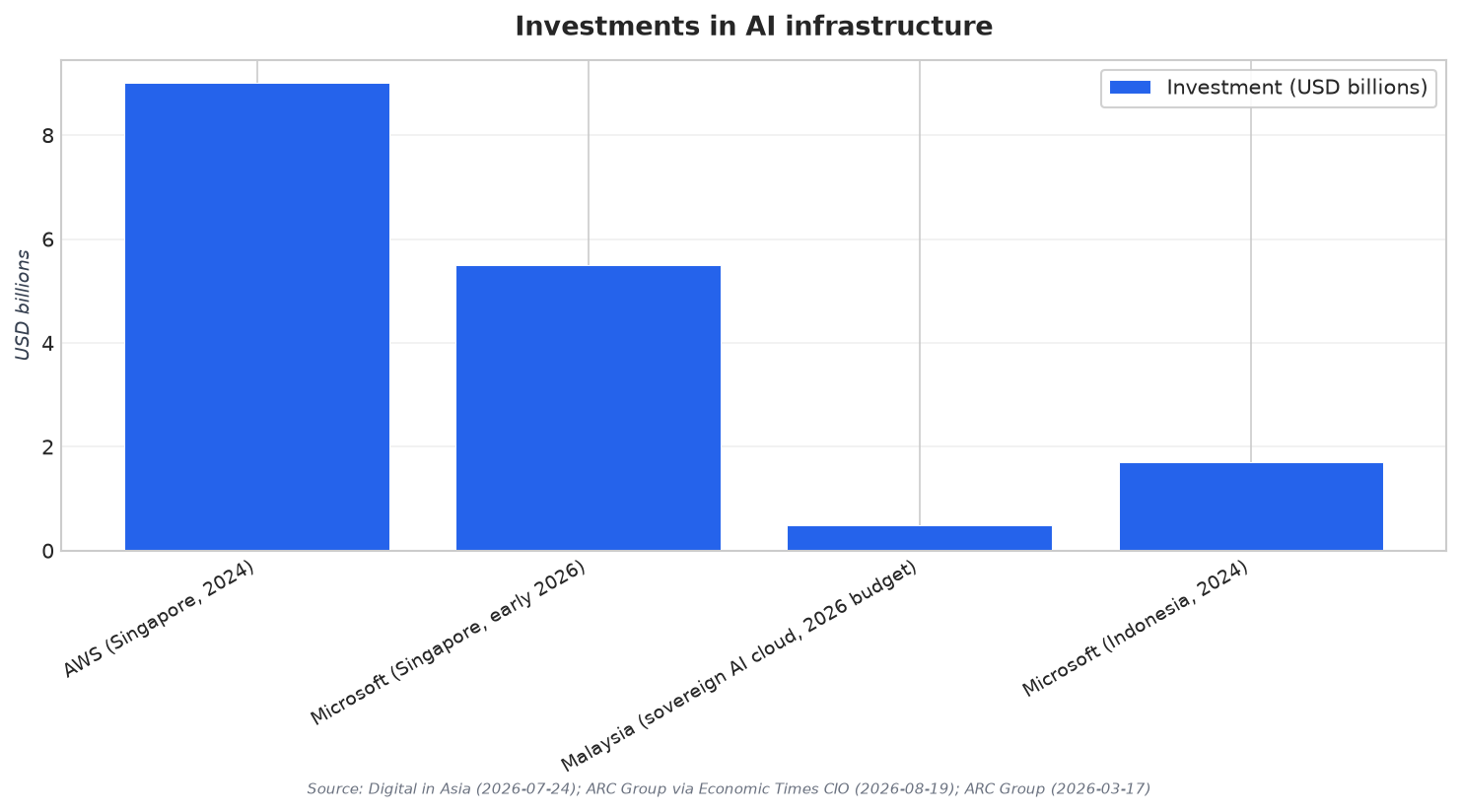
Singapore remains the region’s Tier 1 node, but its role is shaped by deliberate constraint. It has roughly 1GW of operational data centre capacity and a vacancy rate of 1.4%. New supply is controlled through policy: on 1 December 2025, IMDA and EDB launched the Data Centre Capacity Allocation call (DC-CFA2) for at least 200MW of new capacity, conditioned on green energy commitments, with applications closing 31 March 2026. Hyperscaler commitments underline the market’s strategic status. Amazon Web Services committed $9 billion to expand its existing Singapore infrastructure in 2024. Microsoft announced a $5.5 billion commitment to Singapore in early 2026, as part of a broader $6.5 billion Southeast Asian package, covering cloud and AI data centre infrastructure through 2029.
2026 Buildout Logic: Scale-Out Campuses, Sovereign Cloud, and Deal-Led Expansion
Malaysia is repeatedly positioned as the region’s primary scale-out location, with Johor a focal point for hyperscale investment and large campus-style developments. The logic is practical: terrestrial fibre links provided by incumbents like Telekom Malaysia connect Johor’s data centre parks directly to Singapore’s submarine cable infrastructure, delivering Singapore-grade international connectivity at Malaysian operating costs. Policy is also becoming a direct demand driver. Malaysia’s 2026 budget set aside MYR 2.3 billion (about US$490 million) for a sovereign AI cloud, within a broader MYR 5.9 billion commitment for research, development, commercialisation, and innovation linked to AI. In parallel, ARC Group frames 2026 as a consolidation year, favoring platform acquisitions, control-stake deals, and telco carve-outs because power, land, and permits are increasingly hard to secure.
Indonesia and Vietnam illustrate how “local platforms” and maturing assets are becoming central to the supply story. Microsoft committed US$1.7B to cloud and AI infrastructure in Indonesia in 2024. Local operator DCI Indonesia is scaling from 83MW in 2023 toward a potential 1,000MW, and DC Byte projects Indonesia’s total capacity could reach 1,519MW by 2028F. On the demand side, ARC Group notes Indonesia’s cloud computing market expanded at a 48% compound annual growth rate over the last five years, while about 90% of companies are moving towards cloud solutions. In Vietnam, ARC Group highlights high power availability and fast-growing digital demand, while Viettel IDC—the 70:30 JV between Viettel and Chunghwa Telecom—is preparing for a 2026 IPO, signalling increasingly investable, institutional-grade assets.
At the regional level, the market is being pulled by both Western and Asian capital, but buyers still need to match claims to local execution reality. McKinsey reports that, across APAC, AWS, Google, Microsoft, and Oracle committed over $160 billion from January 2024 to May 2026 to build AI infrastructure in the region. McKinsey also notes Alibaba announced in February 2025 it would invest at least $52 billion in cloud and AI infrastructure globally over the next three years, and that Bytedance may spend approximately $30 billion on AI infrastructure in 2026 alone. For M&A and deployment planning, ARC Group expects Southeast Asia’s data centre capacity to triple by 2030 from 2025 levels, reaching between 5.2 GW and 6.5 GW, alongside a tenfold rise in AI computing demand. Those signals favor partners with ready power, permits, and multi-market delivery capability.
What does a 2026 Southeast Asia AI data center investment map need to include for B2B planning?
How much operational data centre capacity does Singapore have, and why does that matter?
What are the key hyperscaler investment signals cited for Singapore and Indonesia?
Why is Johor in Malaysia described as a scale-out location for ASEAN AI data centres?
What capacity trajectory does ARC Group project for Southeast Asia and Indonesia?