Laos entered 2026 with hydropower at the core of its power system and export strategy. The IEA notes hydropower can reach as high as 75% of electricity generation in Lao PDR, and it also exports power to neighbouring systems. Another data point from the China-Global South Project shows that, as of 2023 (the latest data cited there), Laos’ hydropower generation reached 38.8 TWh and accounted for 75.9% of total electricity output. Those figures help explain why cross-border trade is not a side story for Laos. It is a central revenue lever and a driver of regional integration discussions in the Greater Mekong subregion.
Export revenues underscore the scale of the opportunity, and also the pressure to keep trade channels reliable. In 2024, Laos earned over USD 2.6 billion from electricity exports, which the same source describes as almost a quarter of the country’s total export earnings of USD 10.7 billion. Yet the country also spent more than USD 177 million on seasonal electricity imports in 2024, despite being a net exporter. The explanation given is weak internal connectivity, which limits the ability to move electricity to where it is needed during dry-season constraints. This is the practical backdrop for how Laos hydropower electricity export planning links to ASEAN grid ambitions in 2026.
2026 Transmission Projects and the Reality of ASEAN Interconnection Trade
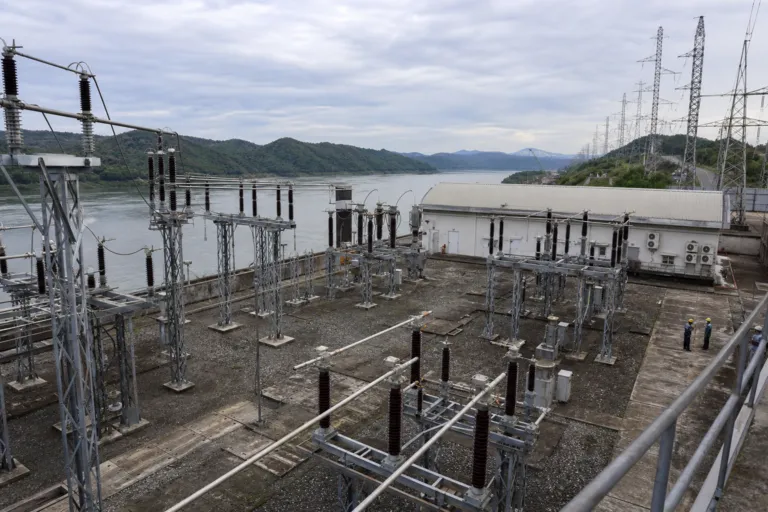
Two transmission projects highlighted in early 2026 show how trade capacity depends on physical grid build-out and operational control. On 1 January 2026, the 230 kV Thavieng-Mahaxay transmission line broke ground, designed to connect northern and central Laos and managed by Électricité du Laos Transmission Company (EDL-T). In that joint venture, China Southern Power Grid holds a 90% stake and a 25-year concession. In parallel, a China–Laos 500 kV cross-border power line was reported at 86% complete and entering its final stage, aiming to enable two-way electricity exchange between Laos and China’s Yunnan province. These developments matter because they target the same pain point: moving power where it is needed and converting surplus into dependable export flows.
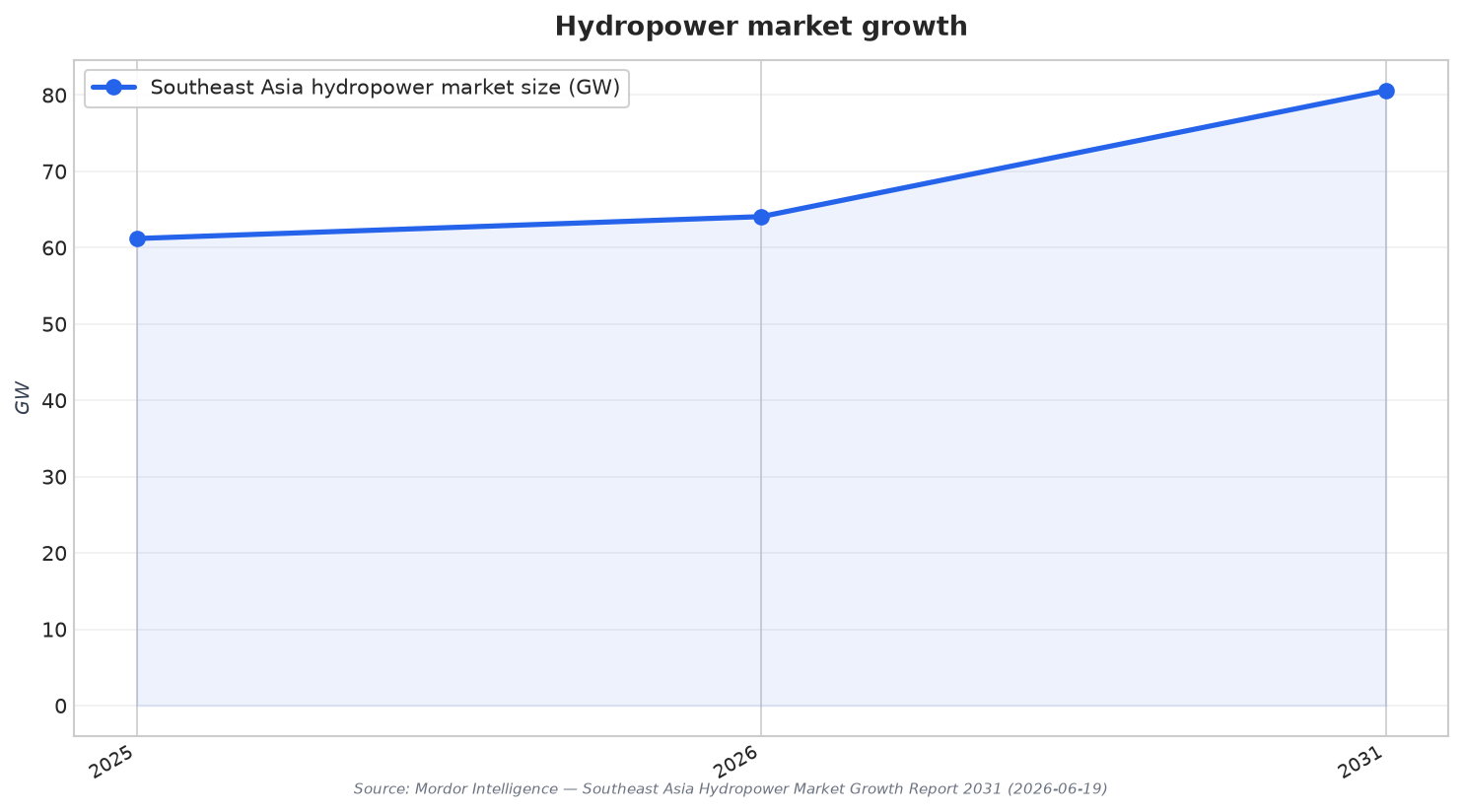
Project pipelines inside Laos also signal how much future export volume depends on market access and contracts, not just dams. International Water Power reports that, as of early 2026, 3,657 MW of hydropower capacity was under construction, with 2,480 MW in permitting and 3,899 MW announced. It also cites major upcoming schemes including the 1,460 MW Luang Prabang project and the 912 MW Pakbeng plant, while noting that long-term PPAs underpin investment decisions and provide foreign currency earnings. The same report cites a GlobalData outlook that Laos is set to expand hydropower capacity to more than 15 GW by 2035, while managing dry-season supply risk and expanding cross-border trade.
Across ASEAN, the grid-trade story is progressing, but still unevenly. One trade guide notes ASEAN currently has about 7.7 GW of interconnection capacity across nine of its 18 priority projects, and that these links are concentrated in the Greater Mekong subregion. The Laos–Thailand–Malaysia–Singapore Power Integration Project has been operational since 2022, but it is described as a controlled pilot running on fixed-volume contracts rather than a competitive open market. Looking forward, Mordor Intelligence cites an ASEAN Power Grid roadmap target of 17.6 GW of cross-border transfer capacity by 2040 (up from 7.7 GW in mid-2023). For 2026, that gap between pilots and a broader market defines the immediate ASEAN grid-trade opportunity for Laos’ hydropower exports.
What share of electricity generation can hydropower reach in Lao PDR?
How much hydropower did Laos generate in the latest cited year?
What did Laos earn from electricity exports, and why did it still import power?
What is being built in 2026 to support Laos hydropower exports through ASEAN grid trade?
How large is Laos’ hydropower construction pipeline as of early 2026?