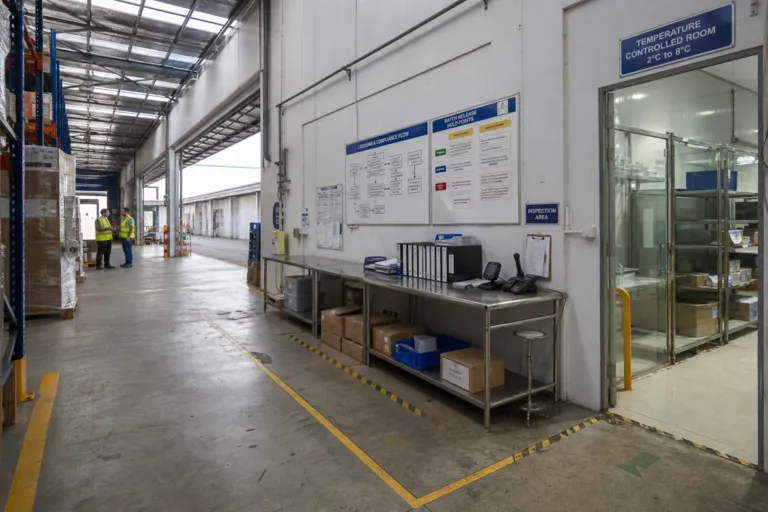
Getting medicines to market across ASEAN in 2026 means learning a shared filing format while planning for country-specific licensing and distribution constraints. Across the region, all members accept the ASEAN Common Technical Dossier (ACTD), and several also take the ICH CTD. But the “same dossier” does not equal the same pathway. The region’s import guide describes three practical “doors” for access: commercial registration and sales, supply into public tenders, or a special import route for an unregistered medicine a patient needs. In most markets, a locally incorporated company, importer, or representative is required to hold the product registration, so distribution planning starts with choosing the right local holder model before you even think about launch sequencing.
ASEAN licensing and distribution decisions are also shaped by how regulators treat prior approvals and GMP evidence. The 2026 import guide states that reliance is strong in Singapore, Malaysia, the Philippines, Vietnam, Indonesia, and Cambodia, with routes built on approvals from “trusted regulators.” It also notes that Singapore, Malaysia, and the Philippines fast-track products already approved by trusted regulators, and that faster routes “go to products with FDA, EMA or similar approvals.” GMP recognition has a regional layer too: under the ASEAN GMP mutual recognition arrangement, members accept GMP inspection reports from Singapore, Malaysia, Indonesia, Thailand, and the Philippines. The same source cautions that plants outside ASEAN still need their own GMP evidence, such as a PIC/S certificate, or an inspection.
Country-by-Country Signals That Affect Licensing and Distribution
In the “big six” (Indonesia, Vietnam, Thailand, the Philippines, Malaysia, and Singapore), tender policy and industrial strategy can matter as much as dossier readiness. The guide says Indonesia only lets local manufacturers register medicines and pushes imports toward local production. Vietnam’s tenders reward EU-GMP plants, and both Thailand and Vietnam steer public buyers toward local makers. The guide also states that Indonesia, Vietnam, Thailand, the Philippines, and Malaysia all favor local production in public tenders in different ways. For Thailand specifically, the guide reports it found no reliance route for medicines. A separate Thailand industry source adds that Thailand has had formal biosimilar guidelines since 2013 aligned with WHO standards and ASEAN harmonization frameworks.
The “other five” markets in the 2026 import guide are Myanmar, Cambodia, Laos, Brunei, and Timor-Leste, which the guide notes joined ASEAN in October 2025. It characterizes these markets as import-led, while warning they still bring payment and access challenges. Cambodia is also named among the markets with reliance pathways built on approvals from trusted regulators. For manufacturers exporting from India, China, Korea, Europe, and the US, the guide’s operational takeaway is consistent: assume you will need a local registration holder and a distribution partner who understands whether your target channel is commercial, tenders, or special import, because the practical steps differ even when ACTD is accepted everywhere.
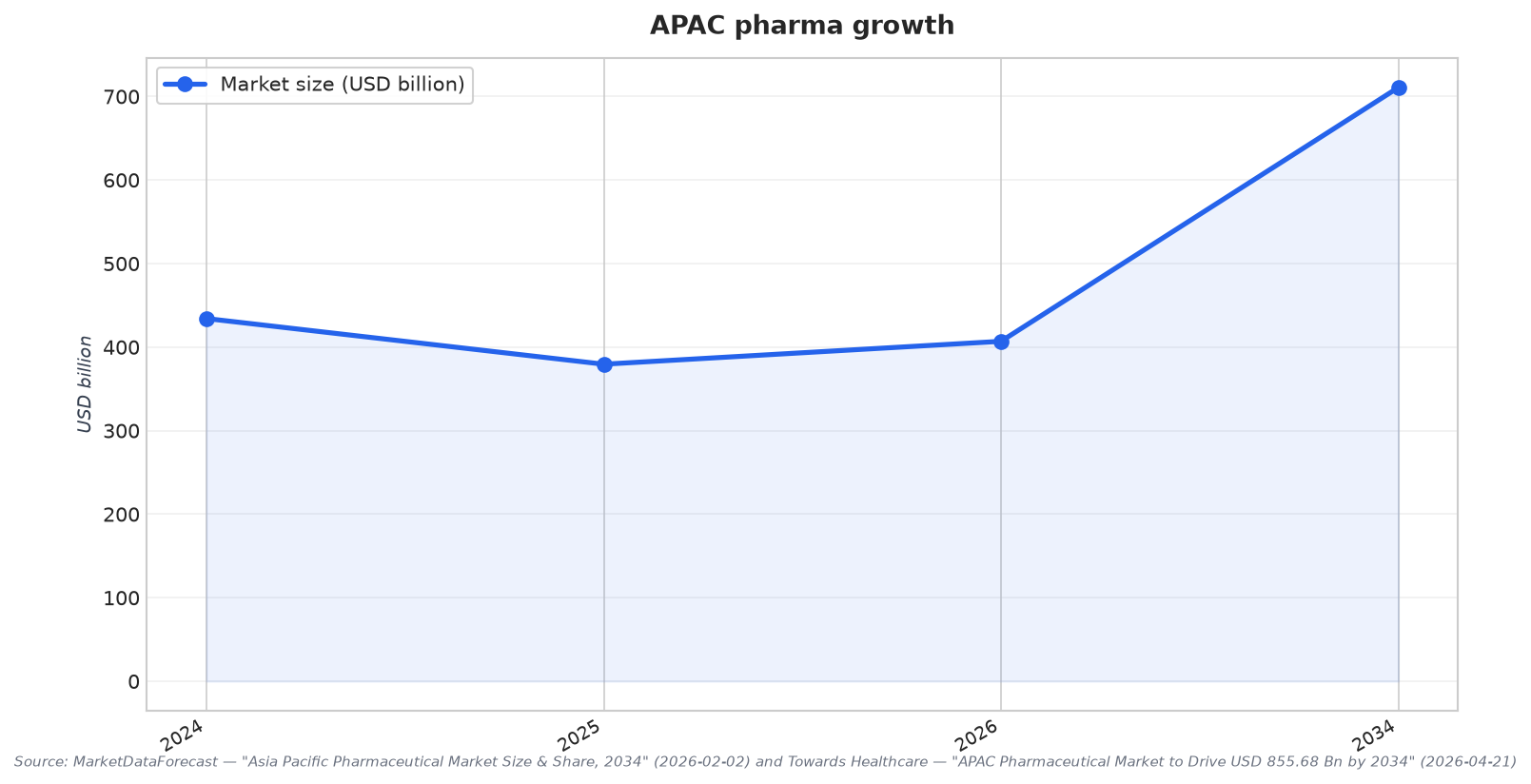
To set expectations for 2026 planning conversations, it helps to separate ASEAN execution details from broader Asia Pacific market context. One market report values the Asia Pacific pharmaceutical market at USD 379.54 billion in 2025 and estimates USD 406.94 billion in 2026, with a stated CAGR of 7.22% from 2026 to 2034. Another source says the Asia Pacific pharmaceutical market generated USD 355.5 billion in 2025 and expects a CAGR of 7.1% from 2026 to 2033, projecting US$ 611.7 billion by 2033; it also reports conventional drugs (small molecules) held a 57.36% revenue share in 2025 in that region. These figures are not ASEAN-specific, but they explain why “ASEAN pharmaceutical distribution licensing” work in 2026 is often treated as a strategic growth lever rather than a pure compliance task.
Do all ASEAN countries use the same dossier for medicine registration in 2026?
What are the main routes to supply medicines in ASEAN markets?
Which ASEAN markets use reliance or fast-track routes based on trusted regulator approvals?
How does ASEAN pharmaceutical distribution licensing typically handle the registration holder requirement?
What does the ASEAN GMP mutual recognition arrangement cover, and what is still needed for non-ASEAN plants?